
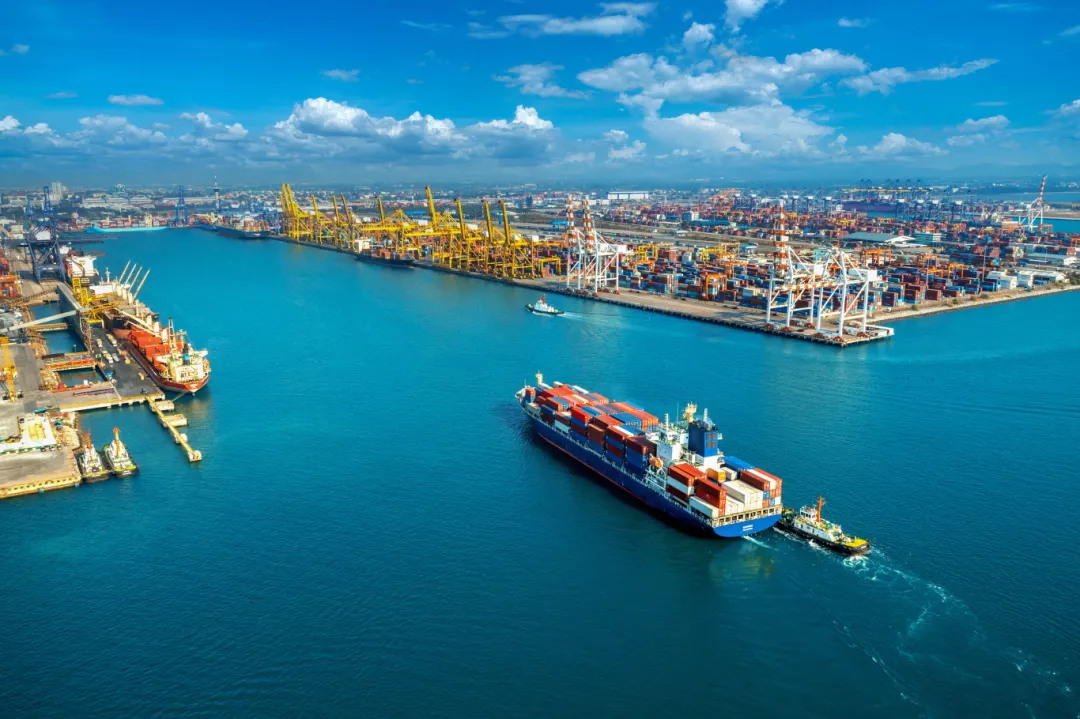
With the increasing prevalence of ocean-going cruise ships and large passenger vessels, “Safe Return to Port” has become a core line of defense for maritime life safety. Unlike the traditional concept of “abandon ship,” according to the requirements of the International Convention for the Safety of Life at Sea (SOLAS), for passenger ships constructed on or after July 1, 2010, with a length of 120 meters or more or with three or more main vertical zones, even in the event of a fire or flooding of a single watertight compartment, the ship must be able to rely on the continuous operation of its own critical systems to independently return to the nearest safe port.
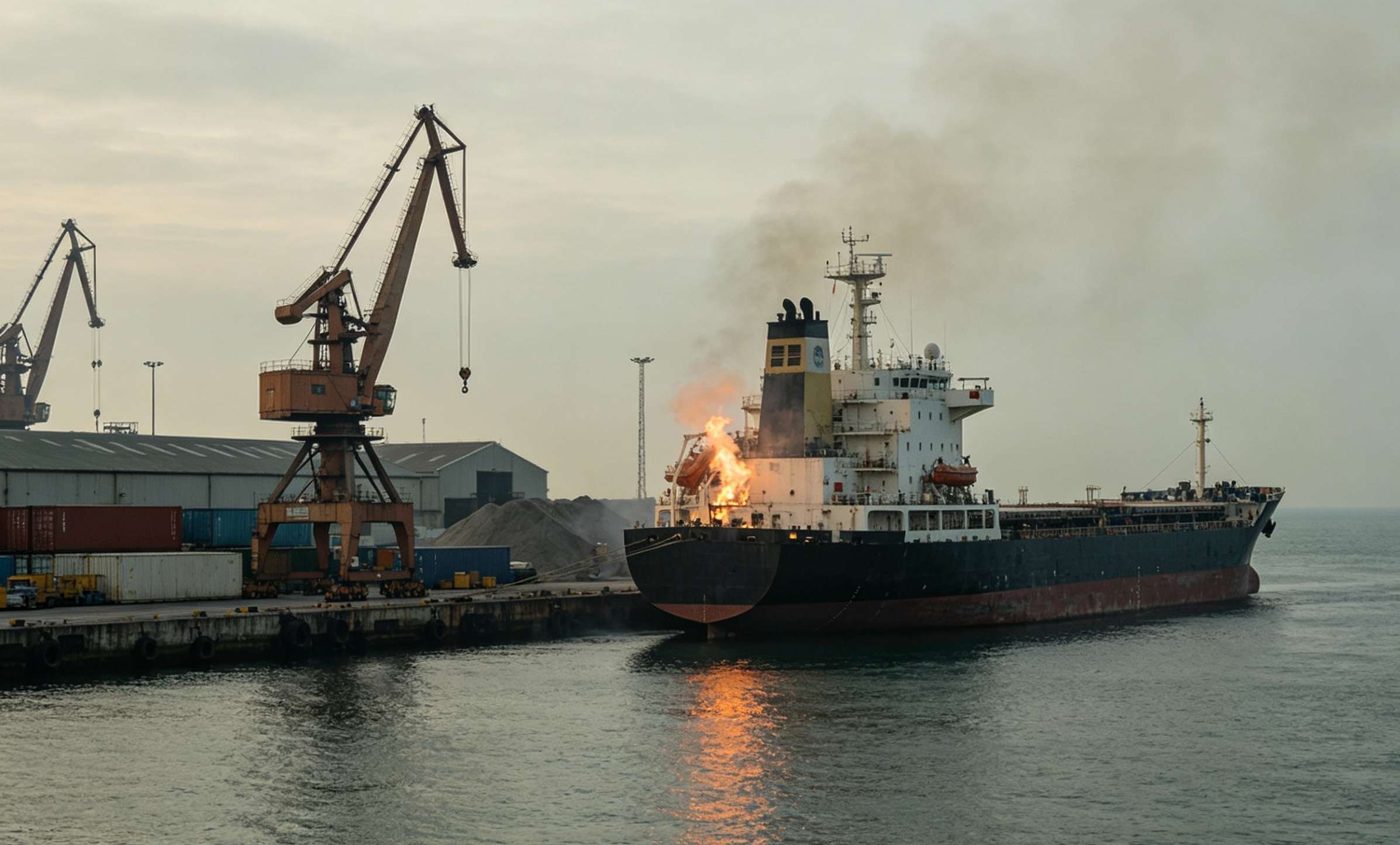
Safe Return to Port (SRTP) communication cables are the “information nerves” supporting this concept. Specifically designed for passenger ships, cruise vessels, and large ro-ro ships, their core role is to ensure the signal transmission of internal and external communication systems under extreme accident conditions such as fire or flooding, enabling the ship to return safely and manage emergencies.
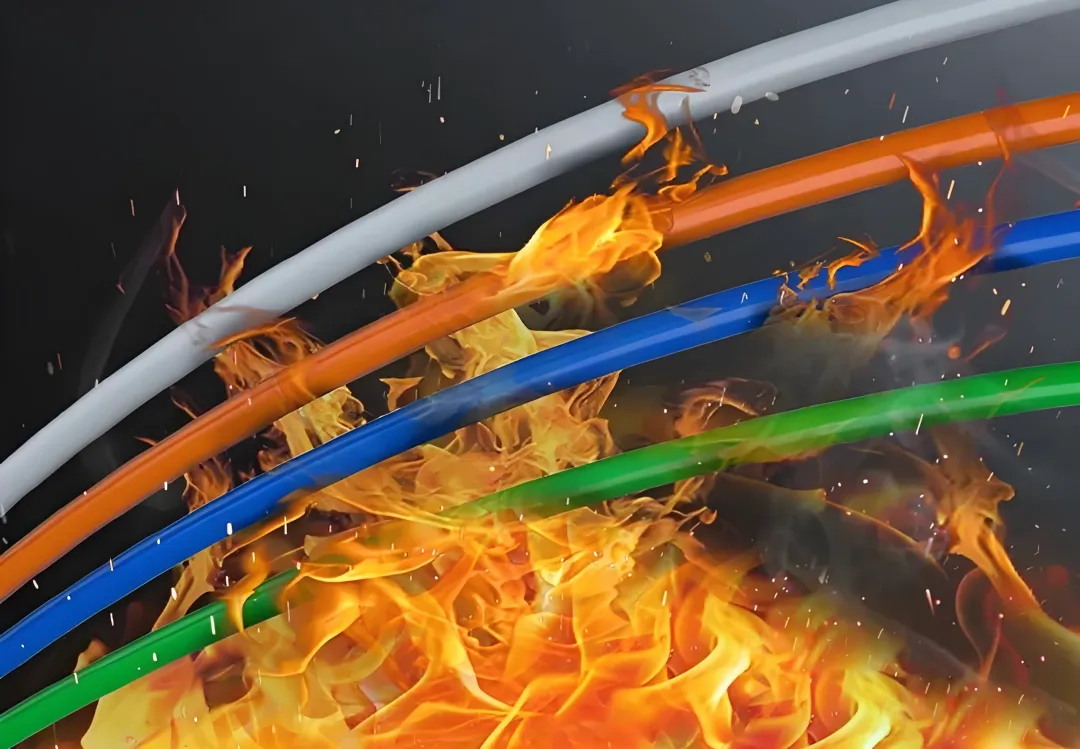
The quality and performance of SRTP communication cables must pass multi‑level, multi‑dimensional standards certification to meet the demands of extreme offshore operating conditions. Their core technical standards can be divided into three levels: international conventions, classification society rules, and product testing.
International Convention Level: SOLAS II‑2/21‑22 is the fundamental basis. It explicitly stipulates that under the Safe Return to Port scenario, after a fire occurs, the ship’s internal and external communication systems must remain operational. However, the convention does not specify the detailed test requirements that communication cables must meet.
Classification Society Level: Requirements vary slightly between different classification societies. DNV (Det Norske Veritas) has the most stringent requirements, explicitly stating that SRTP communication cables must pass the combined test of IEC 60331‑2 plus EN 50200 Annex E, with a fire resistance duration of no less than 120 minutes. CCS (China Classification Society) follows national standards that are equivalent adoptions of IEC standards, ensuring cable performance meets the requirements of domestic shipping projects. In addition, IACS UR E15, as a unified specification for classification societies worldwide, also makes uniform technical requirements for SRTP cables, ensuring consistent performance among cables certified by different societies.
Product Testing Level: IEC 60331‑2 and EN 50200 are the core testing standards. IEC 60331‑2 requires that the cable must maintain circuit integrity and ensure normal signal transmission under high‑temperature flame of no less than 830 °C together with mechanical shock. The water spray test is superimposed according to EN 50200 Annex E, where water spraying is added during the last 15 minutes of the test to simulate fire‑fighting water spray in a real fire scenario, verifying that the cable can still function properly under the combined conditions of “fire + shock + water spray.” Additionally, EN 50200 is primarily applicable to small‑diameter communication cables (≤20 mm outer diameter) and is widely accepted by European classification societies, being extensively used on passenger vessels operating on European routes.
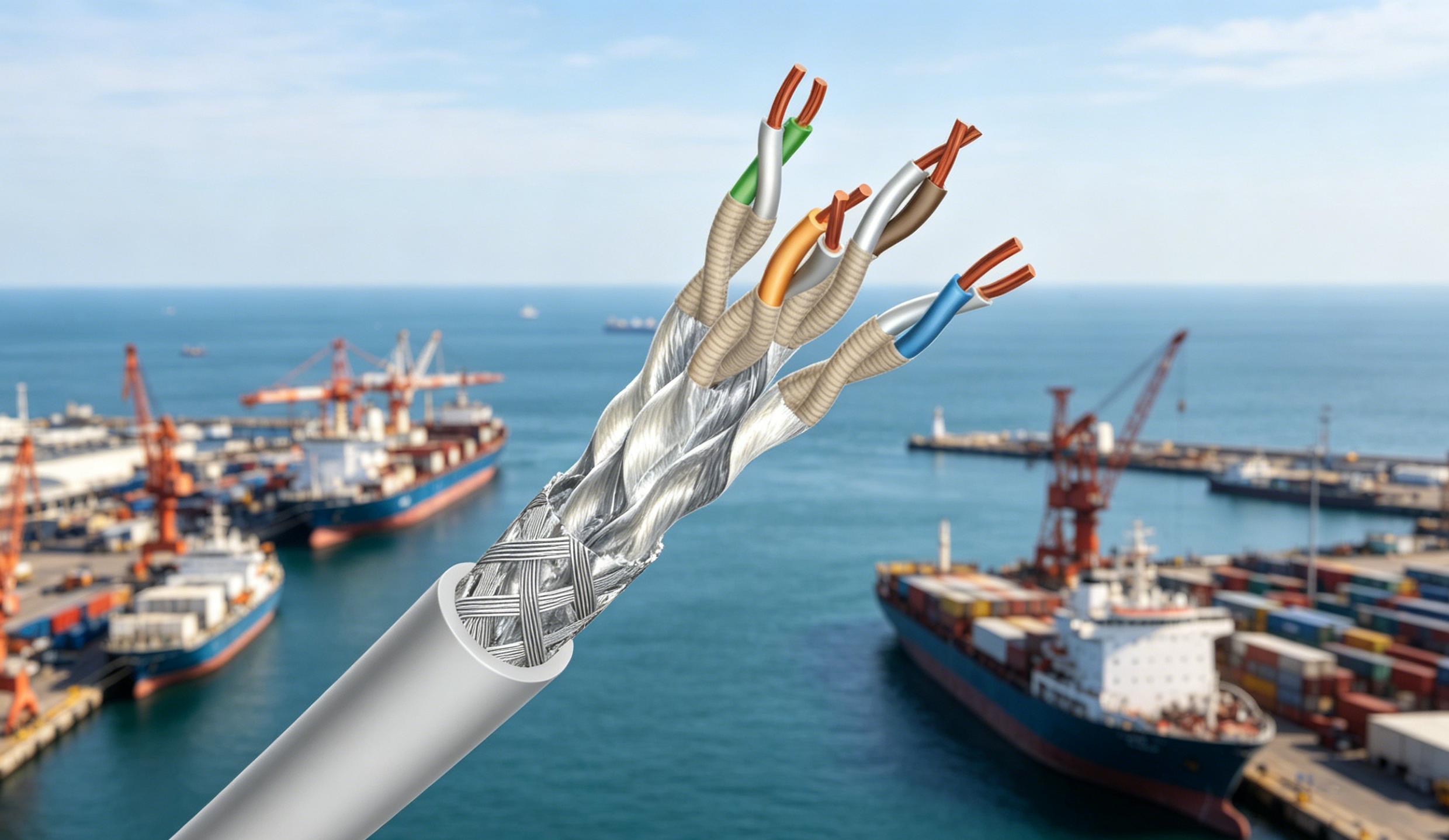
To adapt to extreme onboard conditions such as fire, flooding, and vibration, SRTP communication cables use high‑performance special mica tape for protection. Under high temperature, the cable insulation gradually melts and carbonizes above 830 °C, losing its insulating ability and leading to short circuits or breakdown. The special mica tape wrapped around the conductor or insulation layer forms a “high‑temperature resistant protective barrier”: even if the insulation carbonizes, the mica tape remains intact, isolating the conductor from the outside, preventing short circuits, and maintaining circuit integrity. Because SRTP communication cables must withstand “fire + shock + water spray,” the mica tape not only resists high temperatures but also possesses certain toughness and water resistance (combined with special sheaths and armouring), protecting against external shock and water flow to ensure uninterrupted signal transmission during a fire, in compliance with SOLAS and relevant classification society requirements.
As a core emergency cable for modern passenger ships, the SRTP communication cable may seem unremarkable, but it carries the safety of all persons on board and is the key hardware foundation that turns the Safe Return to Port concept from design into practical application. With the rapid development of smart ships and large cruise vessels, SRTP communication cables are continuously evolving, moving toward higher data rates, lighter weight, ultra‑long fire resistance, and integration. In the future, they will continue to serve as indispensable special cables for modern high‑end passenger vessels, safeguarding maritime navigation safety and providing added reassurance for every ocean voyage.
Post time: May-29-2026