
Marine coaxial cables are specifically designed RF cables for vessels and offshore platforms. Their structure is optimized for the marine environment, offering excellent electromagnetic interference resistance and attenuation performance. They are suitable for applications requiring high signal integrity and are primarily used to connect high-frequency signal equipment with an unbalanced-to-ground configuration, such as radio communication devices, radar systems, and navigation equipment. This article will provide a detailed introduction to the applications of marine coaxial cables, offering you deeper insights into their usage.
Application Scenarios
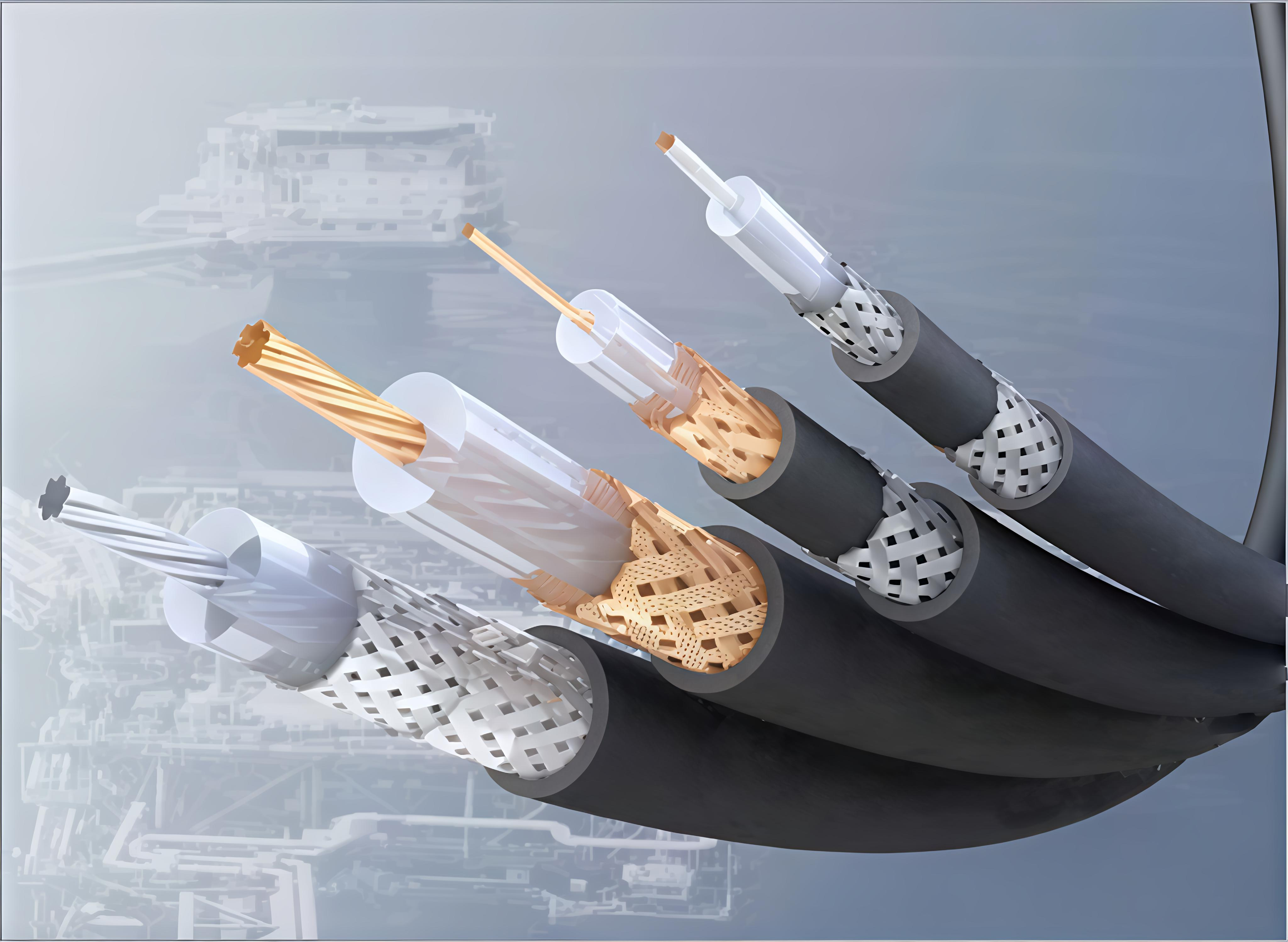
The application of marine coaxial cables is primarily concentrated in vessel and offshore platform systems that require high-frequency signal transmission, EMI resistance, and adaptation to harsh marine environments. They are used to connect high-frequency signal equipment with an unbalanced-to-ground configuration, including radio communication devices, radar systems, and navigation equipment.
1. Radar Systems
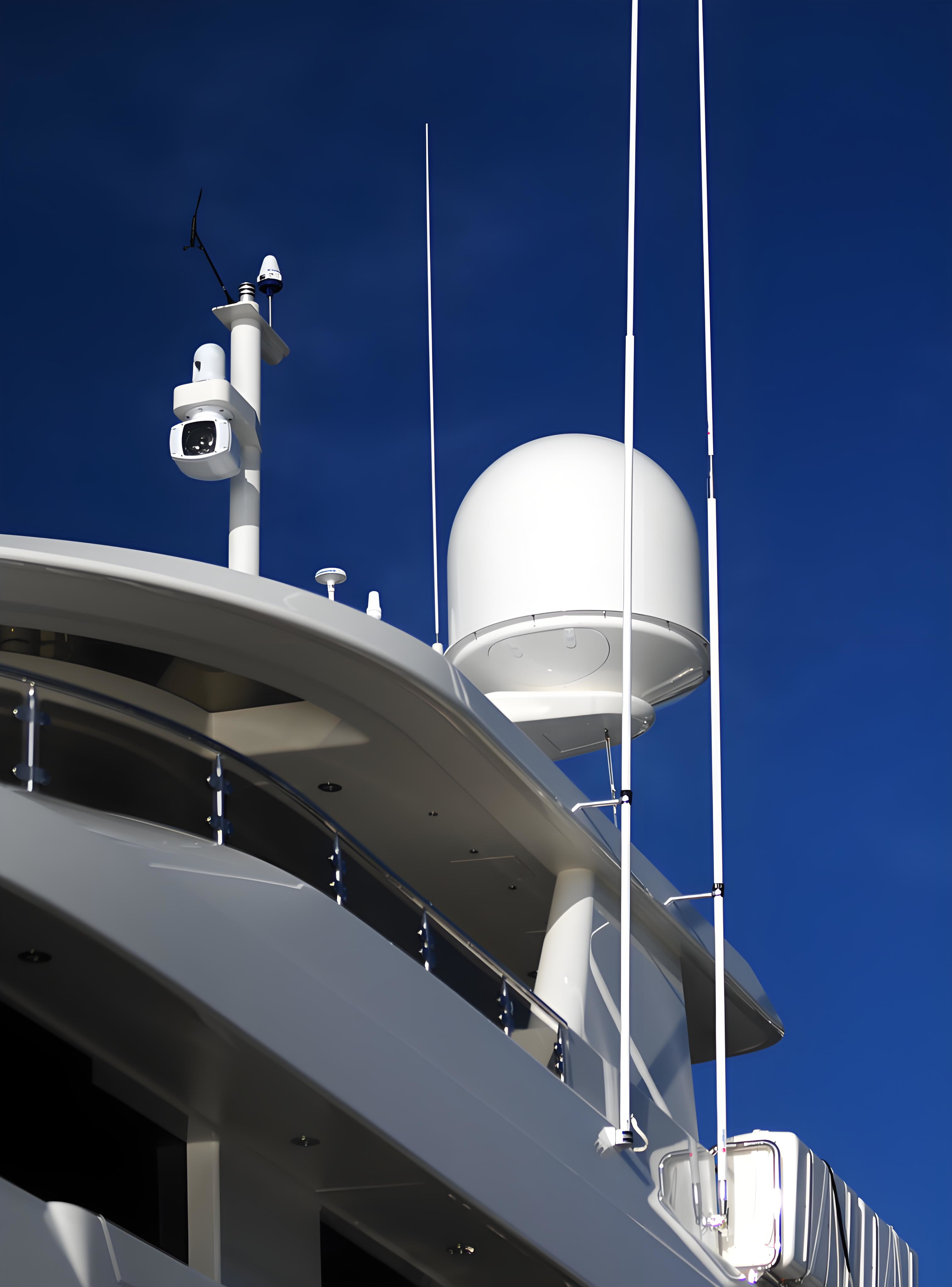
In radar systems, marine coaxial cables are used as intermediate frequency and video feeders; in 10cm radar systems, they can replace waveguides to connect transceivers and antennas. Application in radar systems demands that the cables possess low attenuation, high shielding effectiveness, and good frequency response performance simultaneously.
2. Communication and Navigation Systems
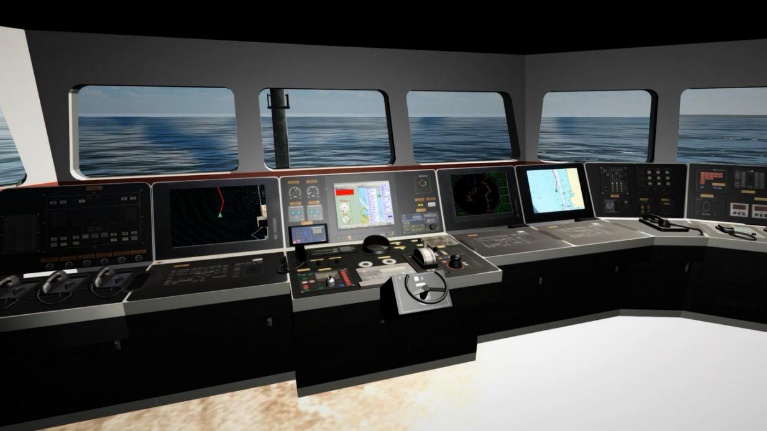
Marine coaxial cables are widely used in vessel internal communication systems, satellite communication systems, and navigation systems. Ship communication systems rely on high-bandwidth, low-loss signal transmission, requiring cables with stable high-frequency performance. Navigation systems demand high reliability, vibration resistance, and corrosion resistance. Marine coaxial cables play an indispensable role in these systems, performing exceptionally well, particularly in long-distance or high-frequency communication.
3. Entertainment and Monitoring Systems

To enrich crew entertainment and ensure signal transmission for monitoring cameras, modern vessel entertainment and monitoring systems use marine coaxial cables to transmit television signals (CCTV), audio, and video signals. Typically, 75Ω cables (e.g., RG6) are used, requiring good signal integrity and interference resistance.
4. Offshore Platforms
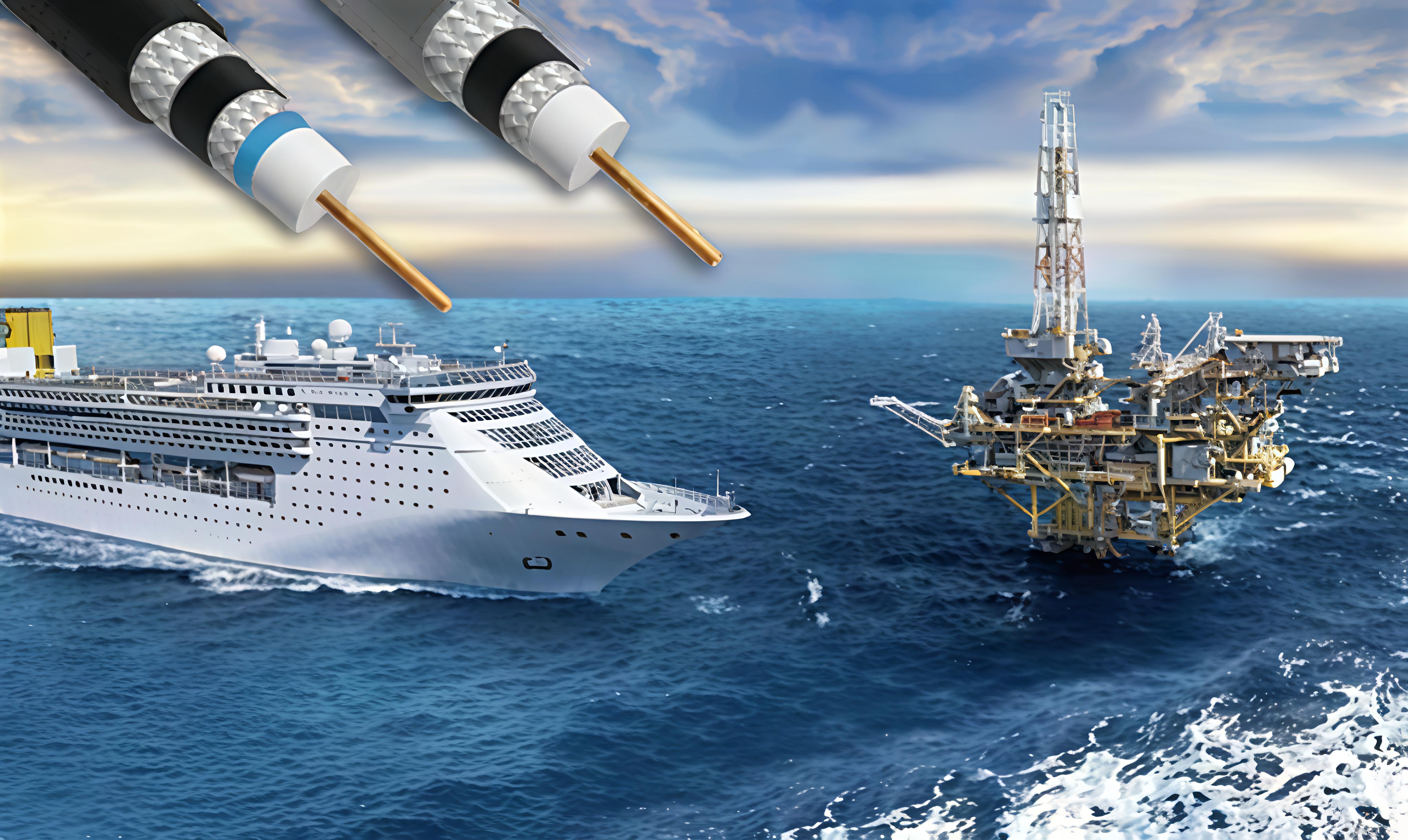
Marine coaxial cables are also used for remote communication between offshore platforms and vessels, as well as for onboard equipment in indoor or enclosed environments. These scenarios require cables with stronger mechanical protection and weather resistance, often employing armored structures to ensure normal operation.
Application Considerations
1. Impedance Selection
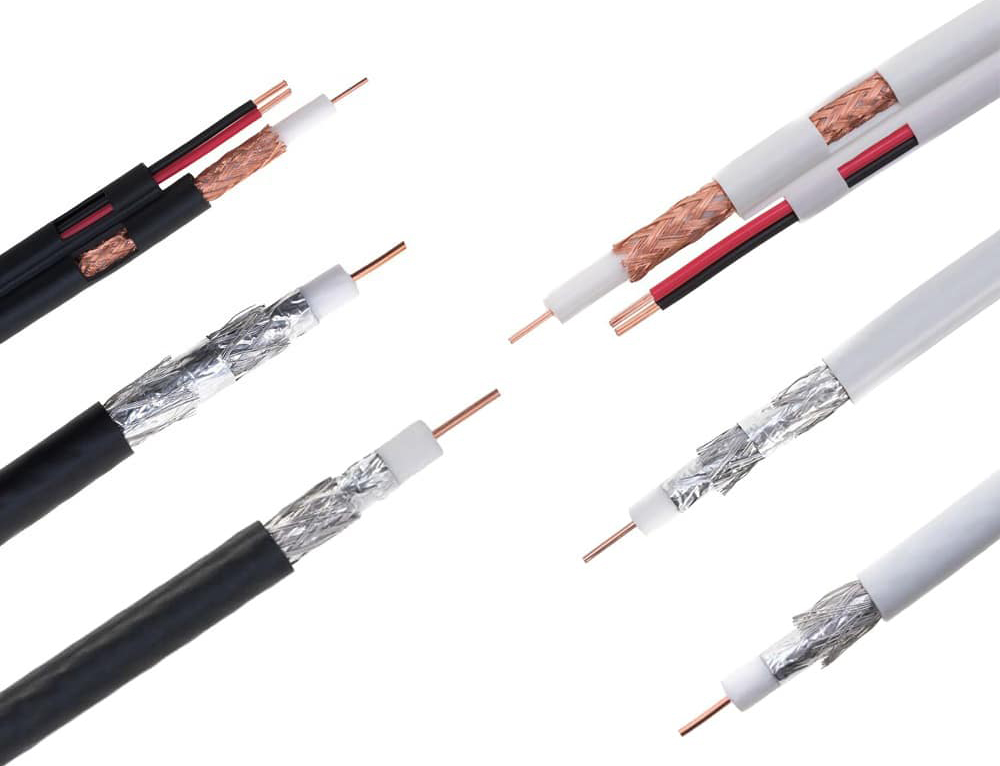
Based on the most common “standard” characteristic impedance classifications, coaxial cables can be divided into 50Ω and 75Ω types. Analyzing the trade-offs among key transmission line parameters such as attenuation, rated voltage, and rated power, 50Ω impedance is a relatively good solution for power and voltage. Outputs from signal sources such as transmitters or line drivers can use 50Ω coaxial cables. For scenarios where low attenuation is the primary goal, such as low-level signals from antennas or analog video links, 75Ω is a better choice.
For example, RG6 with a characteristic impedance of 75Ω is primarily characterized by low attenuation, making it suitable for high-frequency signal transmission. It is commonly used for video signals, television, and monitoring. On the other hand, RG213 with a characteristic impedance of 50Ω is more often used in radar and communication systems. It features low loss, good shielding, and mechanical strength, making it suitable for long-distance, high-frequency transmission.
In practical applications of marine coaxial cables, 50Ω and 75Ω systems must not be mixed. Mismatching will directly affect the Voltage Standing Wave Ratio (VSWR), leading to issues such as radar echo loss or CCTV ghosting.
For impedance matching, the impedance at the equipment end and the cable end must belong to the same series. The characteristic impedance tolerance for cables is ±2 Ω (for 50 Ω systems) and ±3 Ω (for 75 Ω systems).
2. Marine Requirements
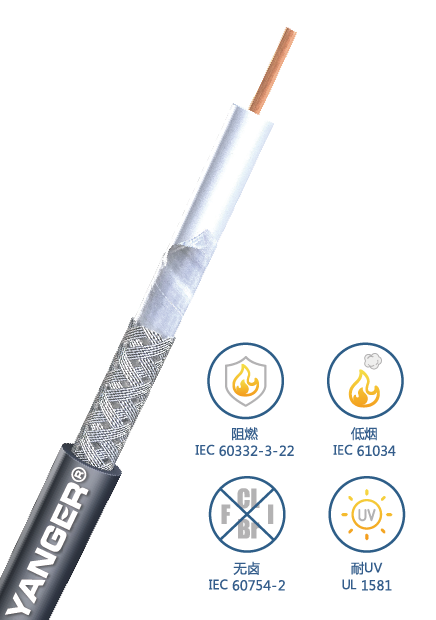
In the marine environment, marine coaxial cables must at least meet the minimum threshold requirements for structure, flame retardancy, low smoke, and halogen-free properties.
The structural design of marine coaxial cables should comply with the IEC 60092-350 standard. For example, insulation should use foamed PE, sheathing should be low-smoke zero-halogen (LSZH), and armored structures should be selected for scenarios requiring additional mechanical protection.
Coaxial cables used for onboard radar and CCTV are often bundled and routed through cable trays. This requires marine coaxial cables to meet the IEC 60332-3-22 Category A flame retardancy standard for bunched cables. The specific test requirements are: select samples with a length ≥ 3.5m, ensuring the total volume of non-metallic materials reaches 7L/m, fix the samples on a vertical ladder, and apply flame for 40 minutes. The charred height above the burner bottom after the test must be ≤ 2.5m.
“Low-smoke zero-halogen” is the most basic requirement all marine cables must meet. The IEC 60754-1/2 and IEC 61034-1/2 standards specify the low-smoke zero-halogen (LSZH) characteristics of marine coaxial cables in detail, ensuring low smoke density and absence of halogens during combustion to reduce harm to personnel and equipment.
Additionally, radar/broadcasting systems that must remain operational during a fire require the use of fire-resistant marine coaxial cables. On offshore platforms, marine coaxial cables must also meet additional requirements such as resistance to mud and UV radiation.
Summary
As the “RF lifeline” for vessels and offshore platforms, marine coaxial cables integrate multiple characteristics such as low attenuation, high shielding, salt mist resistance, flame retardancy, and low-smoke zero-halogen properties. They can provide low-loss, high-shielding signal links in scenarios like radar, navigation, satellite communication, CCTV, and entertainment distribution, ensuring reliable signal transmission for vessel communication, navigation, and entertainment monitoring systems.
Post time: Dec-17-2025