
1. Introduction
As the level of ship automation and intelligence continues to improve, marine fieldbus technology, as the core support for modern ship information transmission and control systems, has been widely applied in key areas such as propulsion systems, navigation control, engine room monitoring, and alarm systems. Marine fieldbus not only enables efficient communication between devices but also significantly enhances system reliability, maintainability, and scalability, making it an indispensable infrastructure for modern vessels. In this article, we will introduce the application aspects of marine fieldbus cables.
2. Application History
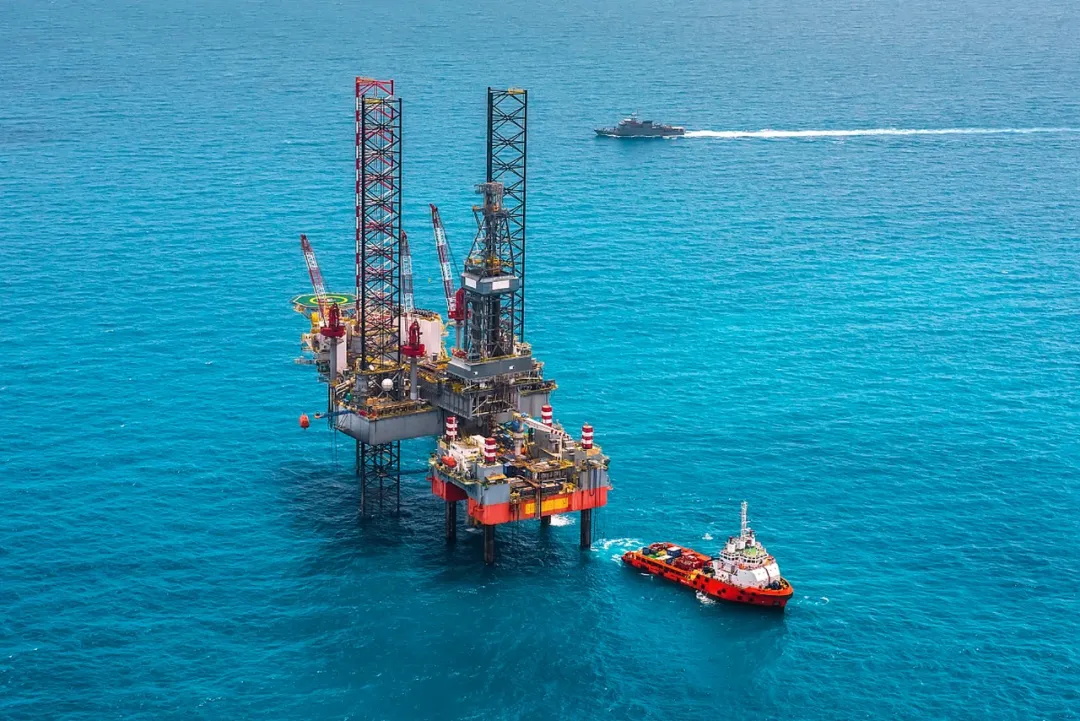
In the early days of shipping, there was no concept of “data.” To reduce the speed of the main engine from the control room, a separate pair of cables had to be run to the engine-side control, with switch signals sent back. A single ship could have thousands of wires, and if one core broke, tracing the fault was like searching for a needle in a haystack. Later, multiple signals were combined into a single cable, using time or address to separate the information — this was the birth of fieldbus. Today, whether on cargo vessels, oil tankers, or wind turbine installation ships, data can be transmitted via fieldbus between the engine room, deck, and bridge, achieving savings in copper, labor, and space.
3. Application Scenarios
3.1 Ship Propulsion Systems
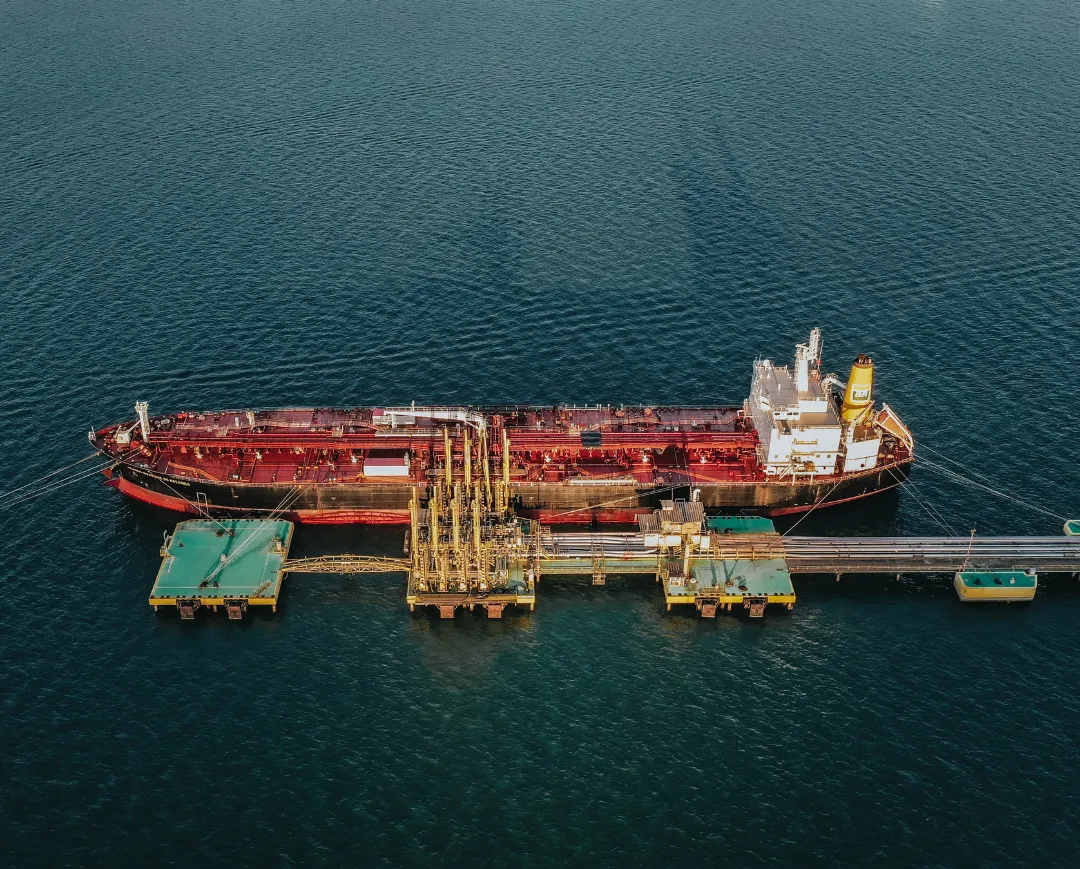
In main propulsion systems, marine fieldbus (such as CANBUS and Profibus DP) is widely used for data communication among engine control units (ECUs), transmissions, and throttle control systems. Signals related to fuel injection, intake, exhaust temperature, and engine speed are aggregated via CANBUS to the ECU. If the ECU detects an abnormally high coolant temperature, it can immediately reduce the throttle by 5% and send an alarm to the engine control room via the bus — all within 200 ms. Thanks to CANBUS’s strong anti-interference capabilities, data remains stable even when generators and frequency converters operate simultaneously. The use of marine fieldbus enables real-time monitoring and adjustment of key parameters such as engine speed, temperature, and oil pressure, improving fuel efficiency and reducing emissions.
3.2 Ship Automation Systems
Marine fieldbus plays a critical role in ship automation systems, often referred to as the “neural network.” Profibus PA is commonly used in process automation scenarios, facilitating data exchange between sensors (e.g., for liquid level, pressure, temperature) and PLCs, thereby enabling centralized control and monitoring of ballast water systems, fuel systems, and cooling systems. For example, during loading and unloading operations on chemical tankers, where there are numerous cargo tank valves, pumps, and tank cleaning machines, a single misstep in the sequence could lead to an overflow. Profibus PA allows valve positions, pressures, and flow rates to be read back to the PLC in one operation, enabling the PLC to automatically open valves and start pumps according to a preset recipe. The operator simply initiates the process via a touchscreen, and the system can complete valve alignment in 30 minutes — a task that previously required two people working for two hours.
3.3 Ship Navigation Systems
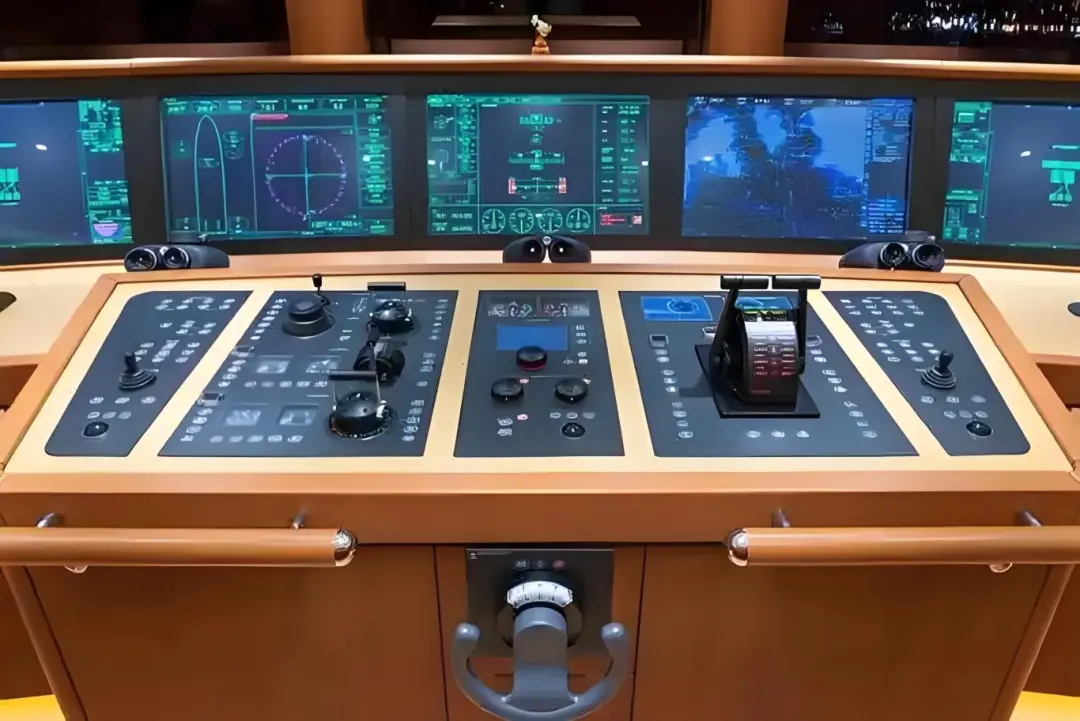
In ship navigation systems, Profinet (an industrial Ethernet-based fieldbus) is used for high-speed data exchange among radar, electronic chart display and information systems (ECDIS), automatic identification systems (AIS), and other equipment, ensuring the real-time accuracy of navigation information. Electronic charts, radar, and AIS require the same coordinate system for overlay display. Profinet can transmit data at 100 Mbit per second, allowing the three systems to exchange data within 10 ms. When the ship’s heading changes by 1°, the display updates instantly, eliminating any separation or delay between radar targets and chart positions.
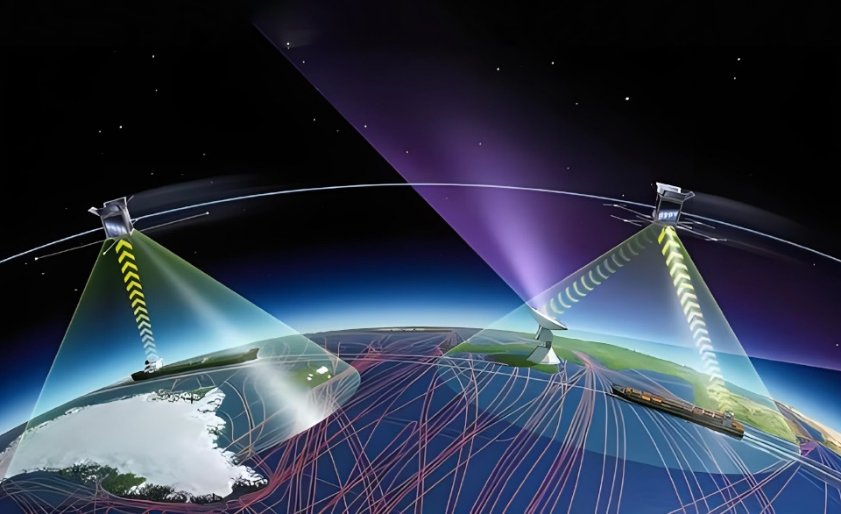
The role of Profinet extends beyond navigation. When the ship docks, engineers can connect a laptop to the switch and remotely download logs from I/O modules via Profinet. Shipowners ashore can also access the vessel’s comprehensive “health report.”
In addition to Profinet, RS485 bus is commonly used to connect auxiliary devices such as navigation lights, echo sounders, and anemometers, collectively forming the ship’s perception network.
3.4 Ship Alarm and Safety Systems
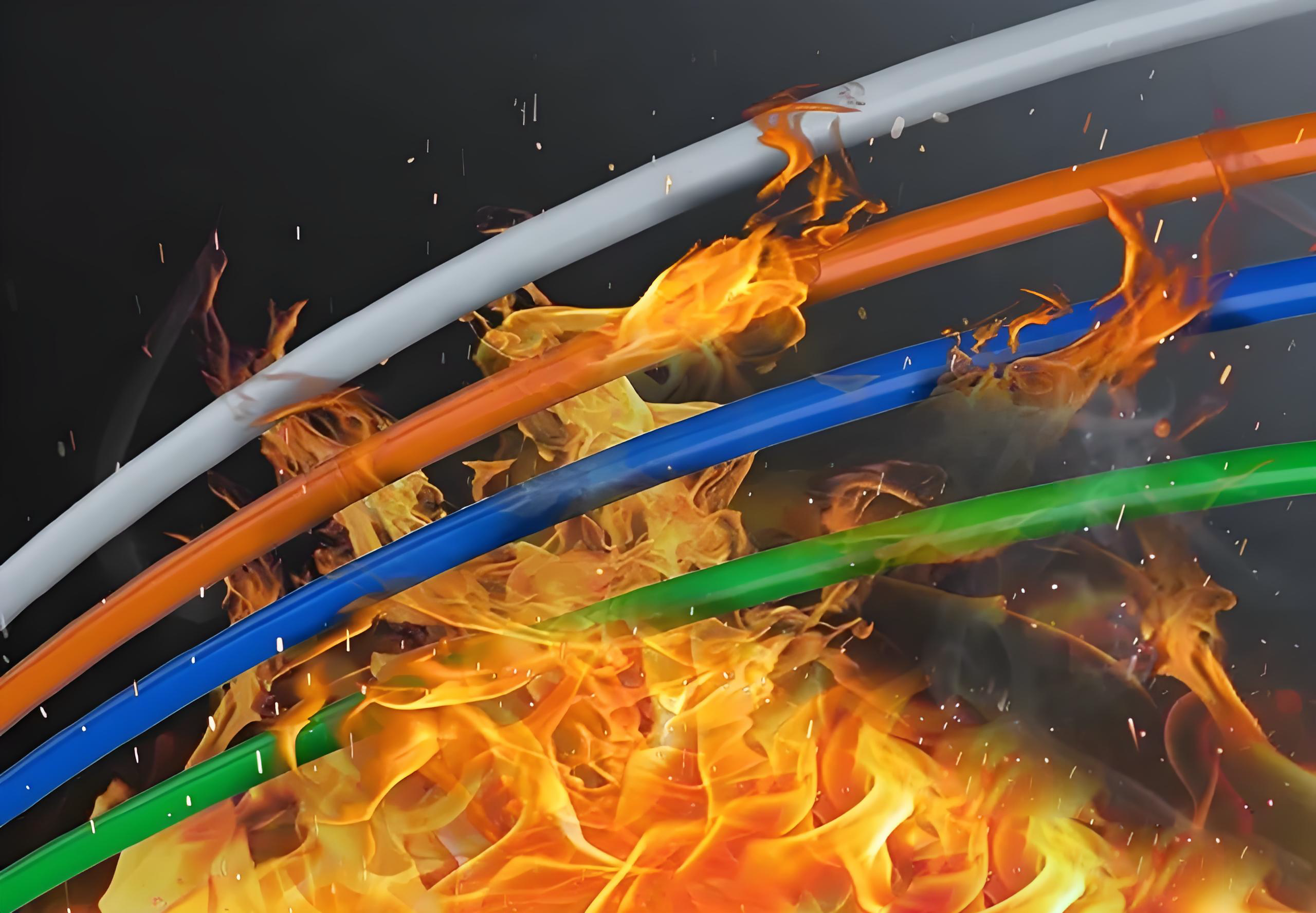
Marine fieldbus plays a crucial role in safety systems such as fire detection, gas detection, and engine room monitoring. CANBUS and RS485 are frequently used to connect various sensors to alarm panels, enabling distributed and rapid collection of alarm information, thereby enhancing emergency response capabilities. In traditional fire alarm systems using loops, a short circuit in one detector could cause the entire loop to fail. Today, each detector is equipped with an RS485 chip and has its own unique address. The fire alarm panel sequentially polls the detectors and can instantly identify which detector has triggered an alarm, allowing crew members to proceed directly to the scene with fire extinguishers, eliminating the need to search compartment by compartment.
3.5 Remote Monitoring and Fault Diagnosis
Modern ships are commonly equipped with remote monitoring systems. Marine fieldbus aggregates operational data from various equipment to a centralized control room or remote platform, enabling equipment status visualization, fault prediction, and diagnosis. The standardized and modular design of fieldbus systems facilitates maintenance and reduces operational costs.
4. Application Selection
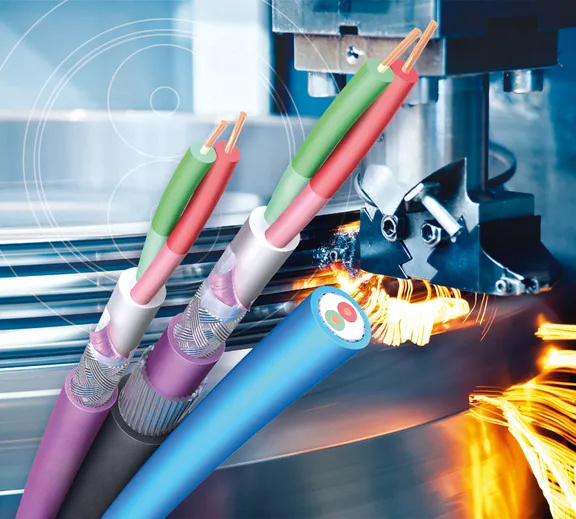
The selection of marine fieldbus cables should not be based solely on the principle of “more expensive is better.” Choosing the appropriate cable for different applications can improve cost-effectiveness. For example, in engine rooms where temperatures are high and oil mist is present, a CANBUS shielded twisted pair cable with an impedance of 120 Ω and a copper wire braid coverage of ≥60% can be selected to prevent interference from spark plugs. For connections from deck to bridge, a four-core star-quad Profinet cable with an impedance of 100 Ω, aluminum foil shielding, and a drain wire can be used to ensure transmission speed while achieving a packet loss rate of <0.1%. For vessels with tight budgets, RS485 can be used for remote I/O, offering a data rate of 19.2 kbit/s — sufficient for reading water levels — significantly reducing costs.
5. Conclusion
Marine fieldbus condenses thousands of wires into a few and reduces response times from seconds to milliseconds. Through data transmission, it greatly enhances the efficiency of various shipboard systems. At the same time, marine fieldbus technology has become a key enabler for modern vessels to achieve intelligent, efficient, and safe operation. Its widespread application in propulsion systems, automation control, navigation communication, and safety monitoring not only improves overall vessel performance but also lays a solid foundation for the future development of intelligent and unmanned ships. Marine fieldbus is more than just cables; it is the “nervous system” of the vessel. As technology continues to evolve, marine fieldbus will continue to develop in the direction of higher speed, stronger intelligence, and broader connectivity, supporting the maritime industry in its journey toward a digital and green new era.
Post time: Apr-01-2026